
5 Tips for the Best Cover October 21, 2019
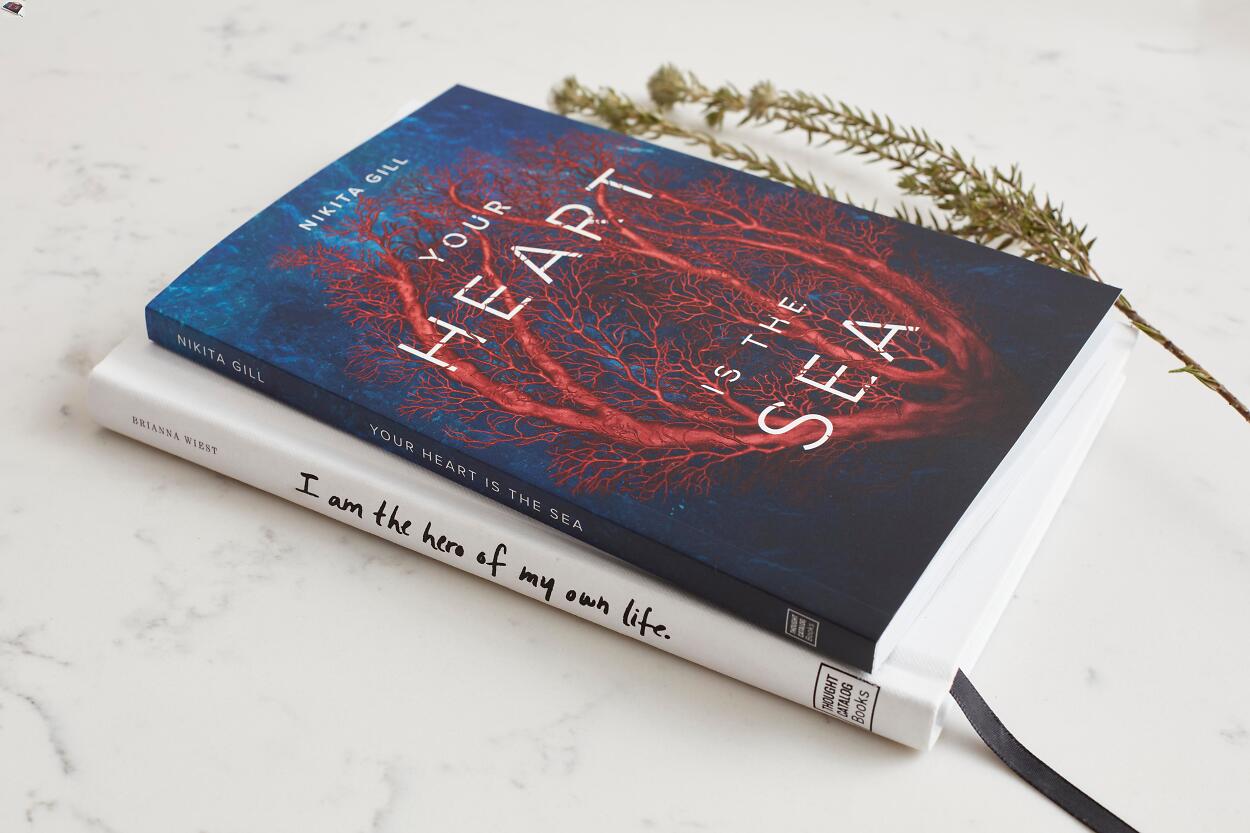
Your book’s cover is both the best and most important marketing tool. It has to work in every size—whether it’s huge on a poster or tiny on a mobile screen—and therefore anywhere. Obviously, you’ll have to make all the decisions yourself, from the initial briefing to final approval. Here are a few tips for success:
#1 Stay Objective
Yes, it looks like you’ll sometimes have to make decisions that don’t necessarily match your taste or preferences. The cover has to be suitable for your book and appeal to the target audience—that’s the only thing that matters. Even if you might prefer soft or pale colours, it could be best for your book if the cover is darker or more vibrant than you might like. The main thing is that your cover is easily recognizable even as a small image online.
#2 Choosing an Image
Are you attached to a particular visual style or a specific motif? Let it go! If you can’t find the right image, it’s best to go with a text-only cover. Many of these text-only covers make it onto bestseller lists. This is especially true for non-fiction books. Make sure you choose or commission a cover that your readers will notice, can’t ignore, and will want to buy. Stay realistic!
#3 Use Market Data
Don’t feel like poring over numbers and tables? Then hire a cover designer who knows what they’re doing. But there’s no point in paying for elaborate illustrations that your readers won’t understand or for a cover that doesn’t relate to your book’s theme. Just take a look at the bestseller lists. These books are produced by publishers, usually with large budgets. They set trends. Check them out to include in your briefing and design decisions. Of course, you can also be a trendsetter and take risks. However, if you have a limited budget, you might want to play it a little safe. Learn how to create the perfect cover briefing here.
#4 Cover Trends
Take the time to look for trends—specific colours, symmetry, fonts, handwritten titles, styles (like the 1930s or 1970s, for example), image themes, covers that combine illustrations and photographs, and so on. The list is endless. Professional cover designers spend entire days studying covers online and in brick-and-mortar stores ;-).
#5 Readability
Make sure your cover is easy to read! Colour, contrast, and font are therefore key elements for the success of your cover. Avoid colour combinations where, for example, two strong colours clash: red on dark blue, aqua on orange, pink on light blue, etc. The result is very hard to read or look at. It's a strain on the eyes. Consider contrast—light gray on white, for example, is hard to read. Choose a font that is clear and legible. More than 90 percent of people need reading glasses after age 40—keep them in mind! Is your book for kids? Then parents and grandparents are also your potential customers ;-).
So take your time with your decisions and gradually develop a sense of what works best for your book and for sales!